New season. New Art. Now open at a museum of new media art.
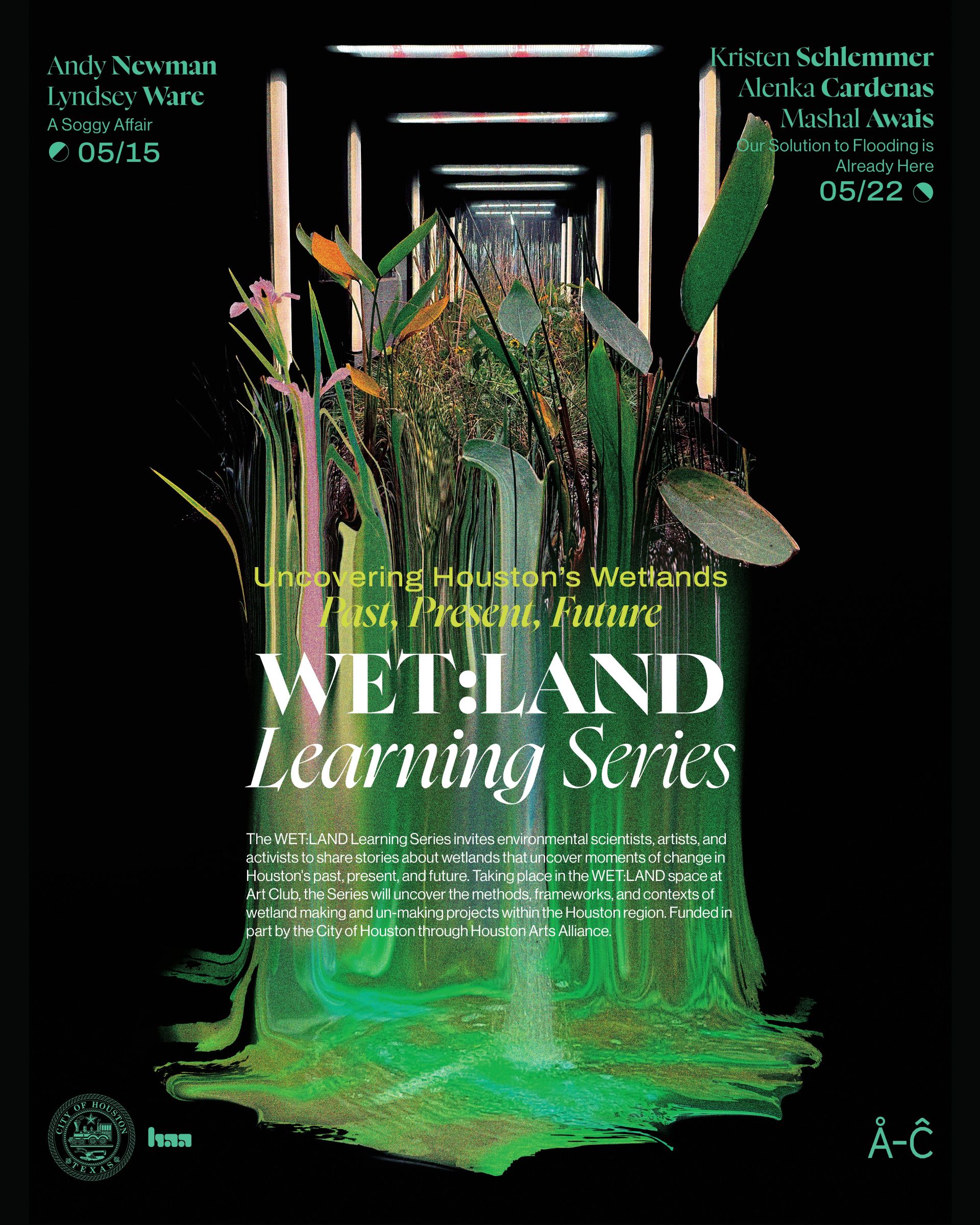
WET:LAND Learning Series: Our Solution to Flooding is Already Here
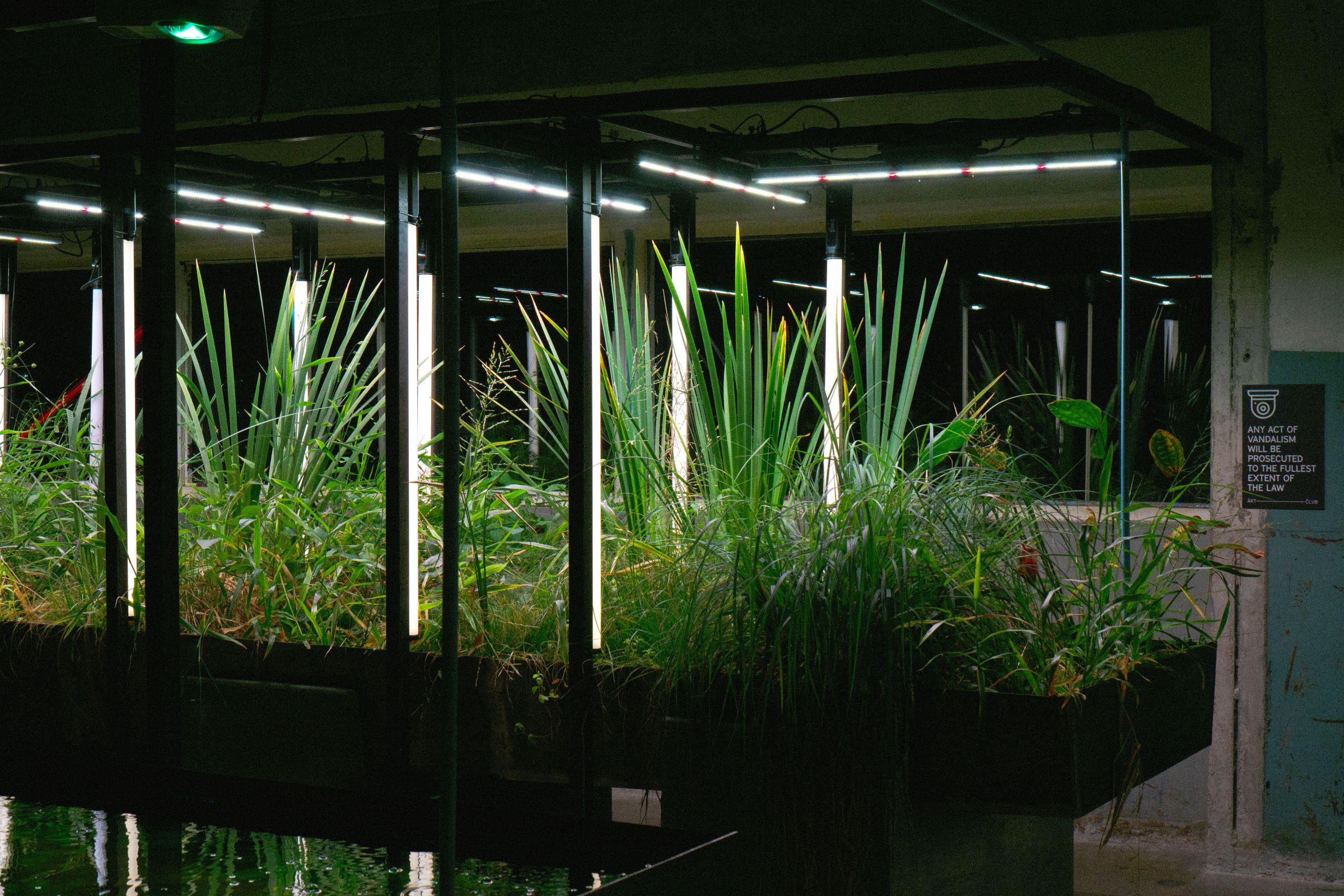
"Uncovering Houston's Wetlands: past, present, future," is a two-part series of talks about Houston's wetlands set against the backdrop of Skyler Smith's artwork Wet:LAND in Art Club.
RSVP to these talks includes free entry to Art Club's full museum experience.
The second talk, Our Solution to Flooding is Already Here, features Kristen Schlemmer, Alenka Cardenas, and Mashal Awais. Across greater Houston, wetlands often hide in plain sight, quietly taking in and releasing water in our prairies and forests and along our bayous and coasts. Wetlands are skilled multi-taskers. They absorb rain and prevent flooding, filter pollutants, absorb carbon dioxide from our atmosphere, and offer habitats for birds, reptiles and fish. They give us a sense of place and a feeling of connection to people who lived here thousands of years before us. In an interactive lecture, Alenka Cardenas and Kristen Schlemmer of Bayou City Waterkeeper will share more about wetlands' role in Houston, what it means when they are destroyed and how nature-based flood infrastructure can help us recover what has been lost—all set against a soundscape backdrop composed by environmental scientist and artist Mashal Awais.
More about the WET:LAND Learning Series:
Wetlands have been central to Houston's development from its inception. The Battle of San Jacinto, which achieved Texas' independence from Mexico, was fought in a wetland; and Allen's Landing, which signifies the Allen brothers' creation of the town of Houston in 1836, is on the wet banks of Buffalo Bayou. Over the past 200 years, the region's wetlands and prairies have been drained and paved to make way for the development of Houston's vast urban footprint.
Today, it is widely understood that wetlands are essential to floodwater management, water quality, and biodiversity in Houston. As the unfolding climate crisis reveals deep vulnerabilities in Houston's urban development, wetlands are being wielded by various groups for various means: to manage water, prevent development, influence their public image, or create natural amenities.
After the 2023 supreme court case, Sackett v EPA, reduced the EPA's ability to regulate development of wetlands, these essential sites are at further risk of destruction. In response, environmentalists, engineers, and designers are looking for novel ways to protect, build, and vision the wetlands of the future.
The WET:LAND Lecture Series invites local experts working within these worlds to share stories about wetlands that highlight moments in Houston's past, present, and future. The series seeks to uncover the methods, frameworks, and contexts of wetland making and un-making projects within the Houston region.
This series is funded in part by the City of Houston through Houston Arts Alliance.